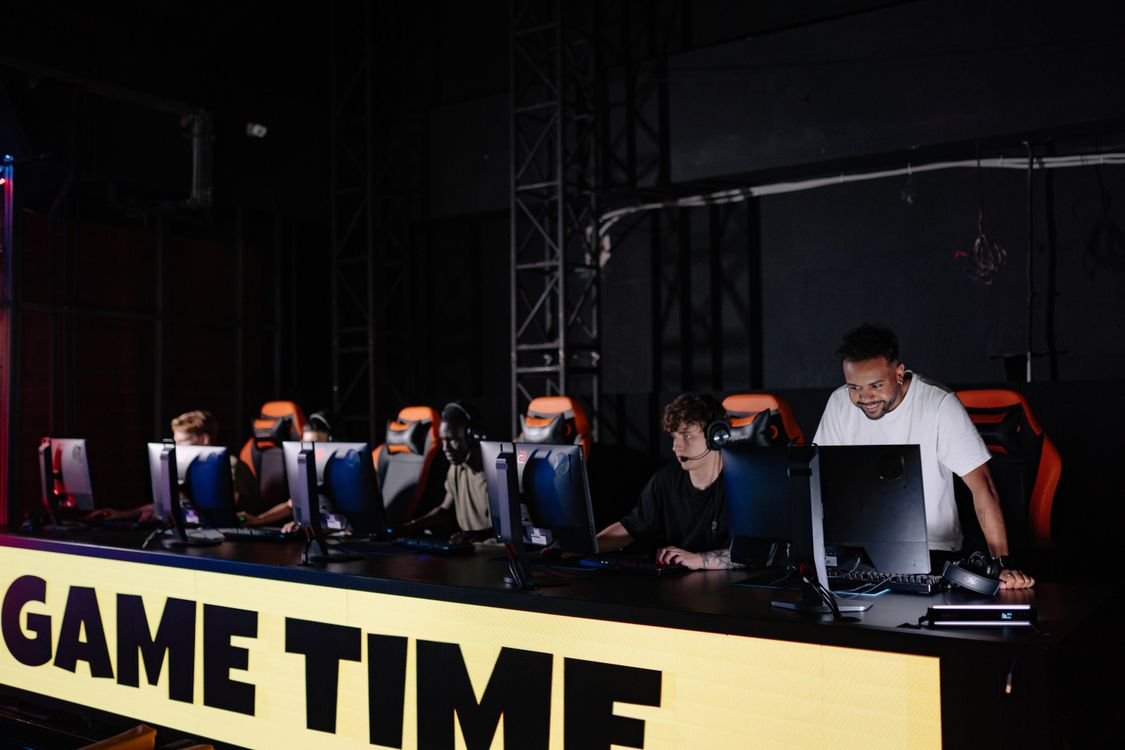
AI is used in esports coaching right now to do the jobs a human coach cannot do at scale: it watches every round of every scrim, tags the mistakes, and turns a mountain of replay data into a short list of things to fix before the next match. The coach still makes the decisions — the AI just makes sure no detail gets missed.
That distinction matters, because the hype suggests robots are replacing coaches. Nobody has been replaced, and no pro team lets an algorithm call timeouts. What changed is preparation speed: work that once took three analysts a full day now takes an hour.
What Does AI Actually Do for an Esports Coach?
Think of AI as a tireless assistant analyst: it never gets bored watching the same round for the fiftieth time, and it never forgets that your opponent’s star AWPer rotates through mid on most pistol rounds. The work breaks down into four jobs.
Pattern recognition. Models trained on thousands of pro matches spot tendencies — default setups, favorite executes, rounds where a team gets impatient. A human analyst can find these too, but it takes hours; AI surfaces them in minutes.
Automatic tagging. Instead of scrubbing through a two-hour scrim VOD, AI tools timestamp the important moments: every retake, every failed execute, every wasted-utility round. The coach opens the review at the moments that matter.
Opponent scouting. Before a match, AI summarizes an opponent’s recent games: map veto tendencies, economy patterns, the agents or champions they lean on under pressure. The same prep analysts always did, compressed from a day into an afternoon.
Player performance tracking. Aim trainers and coaching platforms now measure more than accuracy: reaction consistency, crosshair placement drift, and decision speed — flagging when a player’s numbers dip before the player notices.
Which AI Coaching Tools Do Pro Teams Actually Use?
Mobalytics is the best-known name in AI-assisted coaching for League of Legends. Its Game Performance Index scores players across eight dimensions, from fighting to vision and team play. Coaches use it less for the score and more for the trend: a jungler whose vision score has slid for three weeks is a conversation, not a number.
Aimlabs and KovaaK’s have moved beyond simple aim drills. Their AI task builders adapt difficulty to the player’s weak points in real time, and their analytics break down flick speed and target-switching consistency.
In-house systems are where the real edge lives. Top organizations employ data scientists who build models on their own scrim data — models that know how their five players rotate and which opponent executes their roster struggles against. These tools are never sold.
How Does AI Change the Way Teams Review VODs?
VOD review is where AI has made the biggest practical difference, because it attacks the most tedious part of coaching: finding the moments worth discussing. The old workflow was a coach watching a full match recording at double speed, noting timestamps on a spreadsheet. The new one: the AI ingests the demo file and produces a timeline where every round is labeled — “failed B execute, round 14,” “utility wasted, round 21.” The coach picks ten rounds, the team watches ten rounds, and practice starts an hour earlier.
The second change is consistency: a tired analyst misses things at 1 a.m. after a tournament day; the model flags the same mistake in round 3 and round 30. But there is a limit: AI can tell you what happened, not why. It can flag five lost retakes on the same site. It cannot tell you the IGL was second-guessing calls after a timeout argument. That context still belongs to the human in the room.
Can AI Replace a Human Esports Coach?
No. Coaching is mostly a people job, and its most important parts are the parts AI cannot do: reading a player’s body language after a lost map, managing five egos and a substitute who wants playing time, and knowing when to abandon a strategy the team no longer believes in. None of that is a pattern-recognition problem.
What AI replaces is the grunt work around coaching: the hours of manual tagging and spreadsheet building. The best analogy is a chess engine — grandmasters have used engines for decades, and no engine has replaced the grandmaster. The realistic picture is a hybrid staff: one head coach, assistants, and an AI pipeline doing the work that used to need three analysts. Smaller organizations benefit most, because AI closes the gap between a team with a full analytics department and a team with one coach and a laptop.
A One-Week Mini-Test: AI Review vs. Manual Review
Try this with your own team for one week — it costs nothing and settles the hype question for your roster. Days 1–3: review scrims the old way: one person watches the VODs, notes timestamps, and brings three talking points to practice. Time how long it takes. Days 4–7: run the same scrims through a free or trial AI review tool — Mobalytics for League, an Aimlabs analytics session for shooters — and bring the AI’s flagged moments to practice instead.
Most amateur teams find the same two things: the AI catches two or three mistakes per match that manual review missed — usually small, repeated errors like a late rotation — and the review takes about half as long, so the saved hour goes to practicing the fix instead of talking about it. The test also reveals the limit fast: the AI flags deliberate plays — a bait, a fake execute, a round thrown on purpose — as mistakes. Learning which flags to ignore is part of using the tool.
How Can Amateur Teams Use AI Coaching Without a Pro Budget?
You do not need an org’s budget. Start with one free tool, not five. Pick the one that matches your game’s biggest pain point — Mobalytics for League, Aimlabs for shooters — and use it for a month before adding anything else. Use AI for scouting, not just self-review. Before an amateur league match, spend thirty minutes with whatever opponent data you can find — public match histories, streamed games, tracker sites — and let an AI summary organize it. Make one person the “AI owner.” The tool only helps if someone actually opens it: assign one player to pull the weekly report and bring three findings to practice. Keep the human review. AI finds the moments; your team still has to discuss them. Fifteen minutes on why a round went wrong teaches more than fifty auto-generated tags.
The Bottom Line
AI is used in esports coaching right now as a force multiplier for the coaching staff — not as a replacement for it. It watches every round, tags every mistake, and maps every opponent tendency faster than any human team could. The coaches who get the most from it treat it like a tireless junior analyst: great at finding the problem, never trusted to solve it alone. It still has limits — it needs good data and misses psychology — which is why the human stays in charge. For amateur teams, the same tools that used to be locked inside pro organizations are now a free download away, and a team that reviews AI-flagged moments for fifteen minutes a day will improve faster than a team grinding ranked for six hours without ever watching itself play. The coach still matters most — but the coach with AI sees the game more clearly.
FAQ
How is AI used in esports coaching?
AI is used in esports coaching for automatic VOD tagging, opponent scouting, pattern recognition, and performance tracking. It compresses hours of manual analysis into minutes, so coaches spend practice time on decisions instead of video review.
Can AI replace a human esports coach?
No. AI handles the analytical grunt work — tagging replays, tracking stats, summarizing opponents — but coaching is mostly a people job: managing morale, reading players, and making judgment calls under pressure. The realistic model is a human coach amplified by AI, not replaced by it.
Is AI coaching useful for amateur teams?
Yes — arguably more useful than for pros. Amateur teams have no analytics staff, so AI fills the biggest gap: it finds the repeated mistakes nobody noticed and shortens review time so more practice goes to fixing problems. Start with one free tool, assign one person to own it, and keep a short human discussion after every review.