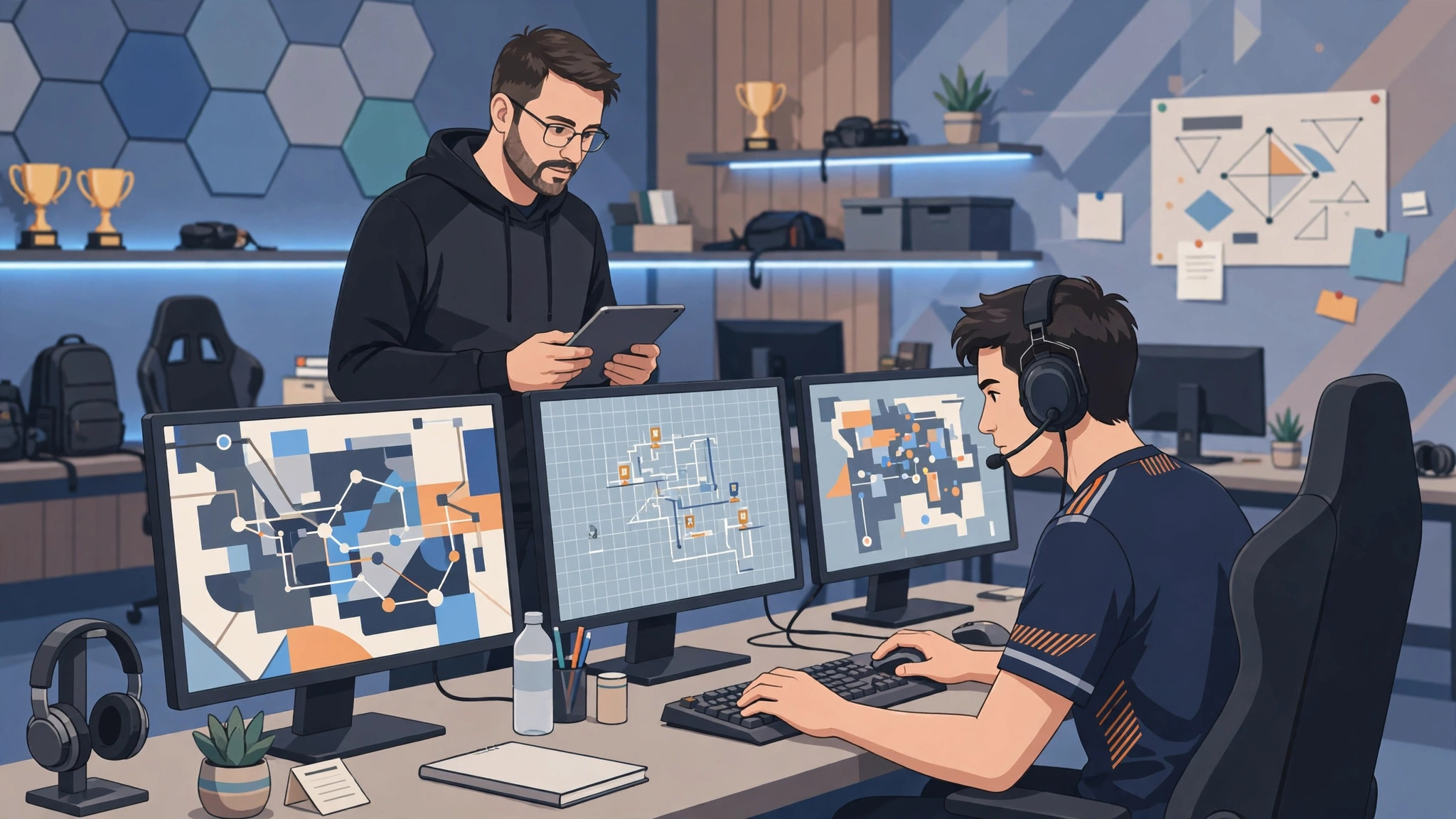
Esports has transformed from a niche hobby into a global industry worth billions of dollars. Professional gamers now compete for massive prize pools, sponsorship deals, and international recognition. However, reaching the top of competitive gaming requires far more than simply playing games for fun.
Behind every championship-winning esports player is a structured training routine designed to improve mechanics, strategy, teamwork, mental focus, and physical health. Just like traditional athletes, professional gamers dedicate countless hours to perfecting their craft.
In this guide, we’ll explore how professional gamers train, what their daily routines look like, and the techniques they use to stay at the top of their game.
The Reality of Professional Gaming
Many people assume professional gamers simply play video games all day. While playing is certainly part of the job, esports training is much more organized and demanding than most people realize.
Professional players often spend:
- 6 to 12 hours training daily
- Reviewing gameplay footage
- Practicing mechanics
- Studying opponents
- Participating in team strategy sessions
- Maintaining physical and mental health
Success in esports requires discipline, consistency, and continuous improvement.
Daily Training Schedule of Professional Gamers
While routines vary between games and organizations, many professional players follow structured schedules similar to traditional athletes.
Example Daily Routine
Morning
- Wake up and exercise
- Healthy breakfast
- Review game updates and strategies
Afternoon
- Individual practice sessions
- Aim training and mechanical drills
- Strategy development
Evening
- Team scrimmages (practice matches)
- Tournament preparation
- Gameplay analysis
Night
- Review performance
- Recovery and rest
Maintaining a consistent routine helps players perform at their highest level.
Mechanical Skill Training
Mechanical skills are the foundation of competitive gaming.
These include:
- Aim accuracy
- Reaction time
- Movement control
- Keyboard and mouse precision
- Character execution
How Pros Improve Mechanics
Professional players spend hours practicing specific skills repeatedly.
Popular methods include:
- Aim trainers
- Custom training maps
- Skill drills
- Repetition exercises
Games such as Valorant, Counter-Strike 2, Apex Legends, and Call of Duty require exceptional mechanical precision.
Even small improvements can significantly impact competitive performance.
Studying Professional Gameplay
Top esports players constantly study gameplay footage.
What They Analyze
- Positioning
- Decision-making
- Strategy execution
- Team coordination
- Mistakes and weaknesses
By reviewing both their own matches and professional tournaments, players gain valuable insights that help improve performance.
Many teams employ dedicated analysts to assist with this process.
Team Practice and Scrimmages
For team-based games, coordination is essential.
Professional teams regularly participate in scrimmages, often called “scrims.”
What Are Scrims?
Scrims are practice matches against other professional teams.
They help players:
- Test strategies
- Improve communication
- Build teamwork
- Identify weaknesses
Scrims often provide more valuable learning opportunities than ranked matchmaking because they simulate tournament conditions.
Strategy Development
Winning at the highest level requires more than mechanical skill.
Professional teams spend significant time developing strategies.
Areas of Focus
- Map control
- Team compositions
- Resource management
- Tactical execution
- Counter-strategies
In games like League of Legends, Dota 2, and Valorant, strategic preparation can determine the outcome of a match before it even begins.
Mental Training and Focus
Mental strength plays a major role in esports success.
Professional players must remain focused under pressure while making split-second decisions.
Common Mental Training Techniques
- Meditation
- Mindfulness exercises
- Visualization
- Stress management
- Performance coaching
Many organizations now hire sports psychologists to help players maintain peak mental performance.
Why Mental Training Matters
Competitive matches often involve:
- High pressure
- Large audiences
- Significant prize money
- Intense expectations
Mental resilience helps players perform consistently in these situations.
Physical Fitness and Health
Contrary to stereotypes, many professional gamers prioritize physical health.
Benefits of Exercise
Regular exercise can improve:
- Focus
- Reaction time
- Endurance
- Stress management
- Overall well-being
Popular activities include:
- Weight training
- Running
- Cycling
- Yoga
- Stretching
Healthy players often perform better during long tournaments and training sessions.
Nutrition for Esports Players
Proper nutrition supports both physical and mental performance.
Common Dietary Goals
- Stable energy levels
- Improved concentration
- Faster recovery
- Better sleep quality
Professional gamers often work with nutritionists to develop healthy eating plans.
Typical recommendations include:
- Lean protein
- Fruits and vegetables
- Whole grains
- Adequate hydration
Avoiding excessive junk food and energy drinks has become increasingly common among elite players.
Sleep and Recovery
Sleep is one of the most important aspects of esports performance.
Why Sleep Matters
Quality sleep improves:
- Reaction speed
- Memory
- Learning
- Decision-making
- Emotional control
Most professional teams encourage players to maintain consistent sleep schedules.
Sleep deprivation can significantly reduce competitive performance.
Using AI and Analytics
Modern esports increasingly relies on data analysis.
Professional players use AI-powered tools to:
- Analyze gameplay
- Track statistics
- Identify weaknesses
- Monitor progress
- Develop strategies
Popular Training Tools
- Aimlabs
- Kovaak’s Aim Trainer
- Mobalytics
- Blitz
- Game-specific analytics platforms
These tools provide valuable insights that help players improve more efficiently.
Communication Training
In team-based esports, communication can be just as important as mechanical skill.
Professional players practice:
- Clear callouts
- Team coordination
- Information sharing
- Leadership skills
Strong communication reduces mistakes and improves teamwork during critical moments.
Many teams dedicate specific practice sessions to communication improvement.
Tournament Preparation
Leading up to major tournaments, training intensity often increases.
Common Preparation Activities
- Opponent research
- Strategy refinement
- Extra scrimmages
- Mental preparation
- Media training
Players and coaches carefully study opposing teams to gain a competitive advantage.
Every detail matters at the highest levels of competition.
Common Challenges Professional Gamers Face
While esports offers exciting opportunities, it also presents challenges.
Burnout
Long training hours can lead to physical and mental exhaustion.
Performance Pressure
Fans, sponsors, and organizations often have high expectations.
Injuries
Repetitive strain injuries can affect wrists, hands, shoulders, and backs.
Work-Life Balance
Maintaining healthy relationships and personal time can be difficult.
Successful players learn how to manage these challenges effectively.
Lessons Casual Gamers Can Learn from Professionals
You don’t need to be a professional gamer to benefit from professional training methods.
Consider:
- Practicing with purpose
- Reviewing your gameplay
- Focusing on one skill at a time
- Taking regular breaks
- Maintaining physical health
- Prioritizing sleep
Small improvements made consistently can lead to significant progress over time.
The Future of Esports Training
Esports training continues to evolve rapidly.
Future developments may include:
- Advanced AI coaching
- Virtual reality training environments
- Biometric performance tracking
- Personalized training programs
- Enhanced analytics systems
These innovations will help players improve more efficiently and compete at even higher levels.
Final Thoughts
Professional gamers train much like traditional athletes. Their success is built on disciplined practice, strategic preparation, teamwork, mental resilience, physical fitness, and continuous improvement.
While many people focus on the excitement of tournaments and championship moments, the real work happens behind the scenes through countless hours of dedicated training.
Whether you’re an aspiring esports competitor or simply looking to improve your gaming skills, adopting some of these professional habits can help you become a better player and enjoy gaming at a higher level.
The path to esports success isn’t easy, but with commitment, consistency, and smart training, remarkable improvement is possible.