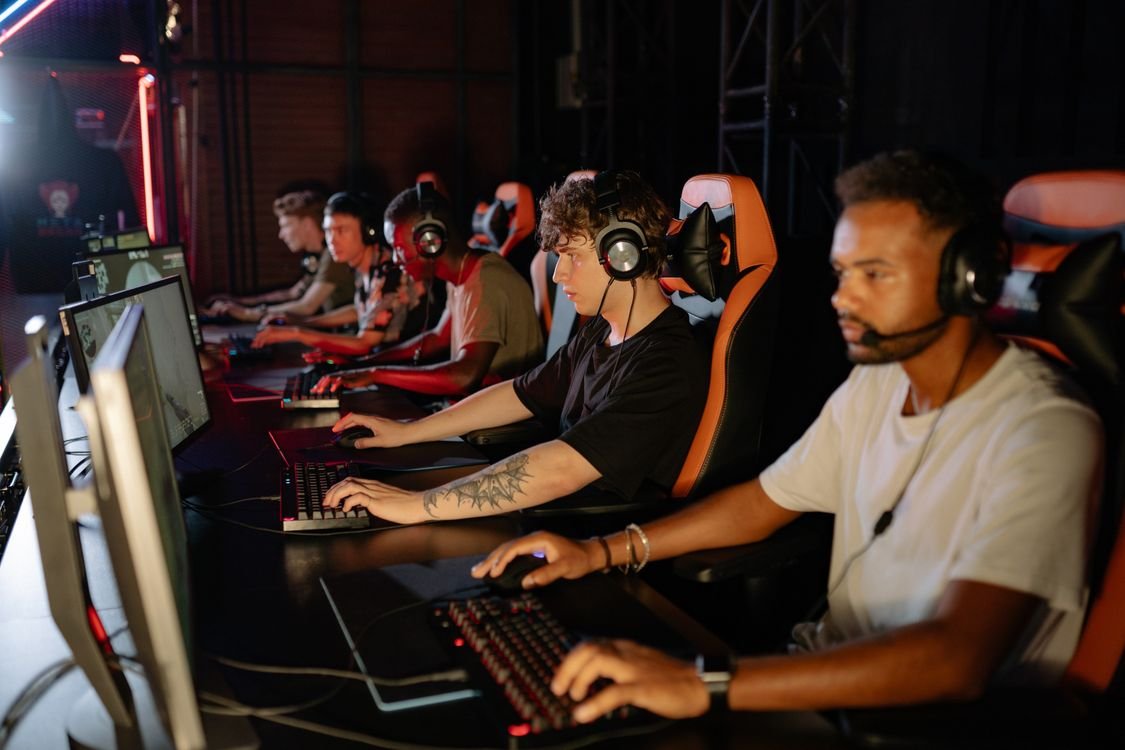
The best amateur esports tournaments in 2026 are the ones with a genuinely open door: Valorant Premier, the RLCS Opens, the ALGS Challenger Circuit, Fortnite’s FNCS qualifiers and CS2’s FACEIT leagues. Any team can register without an invite, most cost nothing to enter, and each one feeds a real path upward — if you know which door fits your game and your skill level.
Best Amateur Esports Tournaments 2026: The Full List
Every tournament below is open to amateur teams in 2026. One rule first: enter a one-weekend open cup before committing to a season-long league — one Saturday of real bracket play tells you more than a month of ranked.
What Makes a Tournament Worth Entering as an Amateur?
Judge any event on four things. Entry bar: can any team sign up? Real stakes: does winning lead somewhere — a promotion, a qualifier spot, a LAN? A schedule you can keep: weekly league matches across two months are a bigger commitment than a one-day cup. A path upward: the events worth your season are the ones where a good run means something next season.
Valorant Premier: The Easiest Door Into Competitive Play
Premier is Riot’s in-game team mode, and the lowest-friction way to play real competitive Valorant. Build a roster of five to seven players, pick a division based on your team’s skill, and play one scheduled match a week during each stage, with playoffs at the end. No entry fee, no third-party platform — everything runs inside the game client. What makes Premier matter is what sits above it: teams that reach the top Invite division can earn a place in the Challengers league, the tier directly below the VCT. Most new teams finish mid-table in their first stage — the point is learning how your team plays a scheduled match with a week to prepare.
CS2: FACEIT Leagues and Open Qualifiers
Counter-Strike’s amateur scene runs on FACEIT, and it has done for a decade. The league system sorts teams into divisions by Elo, so a new team lands in a division full of teams at roughly its level instead of being fed to semi-pros in round one. Weekly matches and a visible Elo number that tells you honestly whether you are improving. Above the leagues sit the open qualifiers: ESL Challenger League qualifiers and BLAST’s open brackets let unsigned teams play for a spot in tier-two events. The gap is enormous — treat the qualifiers as a measuring stick, not your first event. Enter one once your team can consistently win league matches.
Rocket League: RLCS Opens
Rocket League has one of the most genuinely open circuits in esports. Each RLCS split runs three regional Opens, and any team of three can register for them on the official RLCS hub on start.gg. The format starts with a double-elimination bracket anyone can enter, then narrows through Swiss stages to a knockout — and strong finishes earn RLCS points toward the split Major and eventually the World Championship. There is no rank gate: your first Open will probably pair you against a team that has played together for years. One Open weekend gives your team real bracket experience, a VOD of your play under pressure, and an honest read on where you stand.
Apex Legends: ALGS Challenger Circuit
The Apex Legends Global Series runs an open tier called the Challenger Circuit, the real entry point for amateur Apex teams. The Online Open and the Challenger Circuit feed the Pro League Qualifier, where the top Challenger teams play the bottom Pro League teams for Pro League spots. The Championship itself carries a $2,000,000 prize pool, but the amateur goal is a Challenger Circuit win, or a PLQ appearance. The requirements are light: players must be at least 16 in most regions, hold an EA account with two-factor authentication, have a linked Battlefy account, and reach player level 50 in-game. Apex is a battle royale, so tournament play rewards consistency across a series of matches rather than one good game.
Fortnite: FNCS Open Qualifiers and Cash Cups
Fortnite’s competitive scene is built on open entry. The FNCS runs open qualifiers that any duo or trio can enter, with the top teams advancing through heats to the finals. Alongside it, weekly Cash Cups pay small prizes to the top finishers in each region — real money, and a low-stakes way to test your duo in a scored lobby. The format is unforgiving in a useful way: placement points plus eliminations across multiple matches, so one lucky game cannot carry you. Start with Cash Cups — they run constantly and cost nothing.
League of Legends: Clash and the Amateur Ladder
League of Legends gives amateurs two doors. Clash is Riot’s in-game tournament mode: your premade team of five enters a weekend bracket, plays a short series of matches, and earns rewards based on how far you go. It is the lowest-commitment competitive event in any major esport — one weekend, inside the client you already play in. The serious door is the tier-two amateur ladder: open qualifiers for the North American Challengers League and equivalent regional leagues, plus third-party circuits on Battlefy and Challengermode. These demand a season of commitment and weekly scrims. Run a few Clash weekends first — if your team enjoys preparing for a specific opponent and reviewing its games, the ladder is your next step.
How Much Money Do Amateur Tournaments Actually Pay?
Honestly: almost nothing at the level most readers will play at. Weekly Cash Cups and small third-party events pay tens to a few hundred dollars to the winners. The life-changing money sits at the top of the pyramid — the ALGS Championship’s $2,000,000 pool, the FNCS finals, the RLCS Majors — and reaching it takes years, not one good weekend. The payout of an amateur tournament is not the prize money; it is the experience, the VODs, the record of results, and the network of teams and organizers you meet.
How to Pick Your First Tournament (A 5-Minute Test)
If you are choosing tonight, run this test before you register. Pick the game your team already plays together — a tournament in a game you barely play is a bad first event, however open it is. Choose a one-weekend cup, not a season — Clash, a Cash Cup, or a single RLCS Open, something that ends on Sunday and leaves you with a result. Check the schedule against real life — if two of your five cannot make Saturday evenings, skip Saturday leagues. Register on the official platform — Premier runs in-game, RLCS on start.gg, ALGS on Battlefy. If a tournament asks for payment to a personal account, walk away. Set one goal that is not winning — “we review every loss on Sunday” beats “we win the bracket”.
What Do You Need Before You Register?
Most amateur tournaments ask for the same short list. Get it sorted once and every future registration takes five minutes: a locked roster with confirmed players and one substitute if the format allows it; a team name and a shared Discord server; game accounts at the required level or rank, with two-factor authentication enabled where required; accounts on the tournament platform — Battlefy for ALGS and many LoL events, start.gg for RLCS, FACEIT for CS2; and a weekly schedule the whole roster has agreed to. Register early: open brackets fill up and check-in windows close.
Frequently Asked Questions
What is the best amateur esports tournament to enter first?
Valorant Premier if you play Valorant, Clash if you play League of Legends, and a single RLCS Open if you play Rocket League. All three are free and run inside systems you already use.
Do amateur esports tournaments cost money to enter?
Almost never. Premier, RLCS Opens, ALGS Challenger Circuit events, FNCS qualifiers and Cash Cups are all free to enter. Some third-party leagues charge a small season fee, but the official circuits here cost nothing beyond your time.
Can an amateur team actually reach the pro scene through these tournaments?
Yes, and the path is documented. Premier’s Invite division feeds the Challengers league, ALGS Challenger Circuit winners reach the Pro League Qualifier, and RLCS Open points lead to Majors. It takes years of consistent results, but every pro entered through an open door like these.
How old do you have to be to enter amateur esports tournaments?
It depends on the game. ALGS requires players to be at least 16 in most regions, RLCS events generally require players to be 13 or older, and many third-party events accept younger players with parental consent. Always check the official rules before registering — age rules can disqualify a team outright.