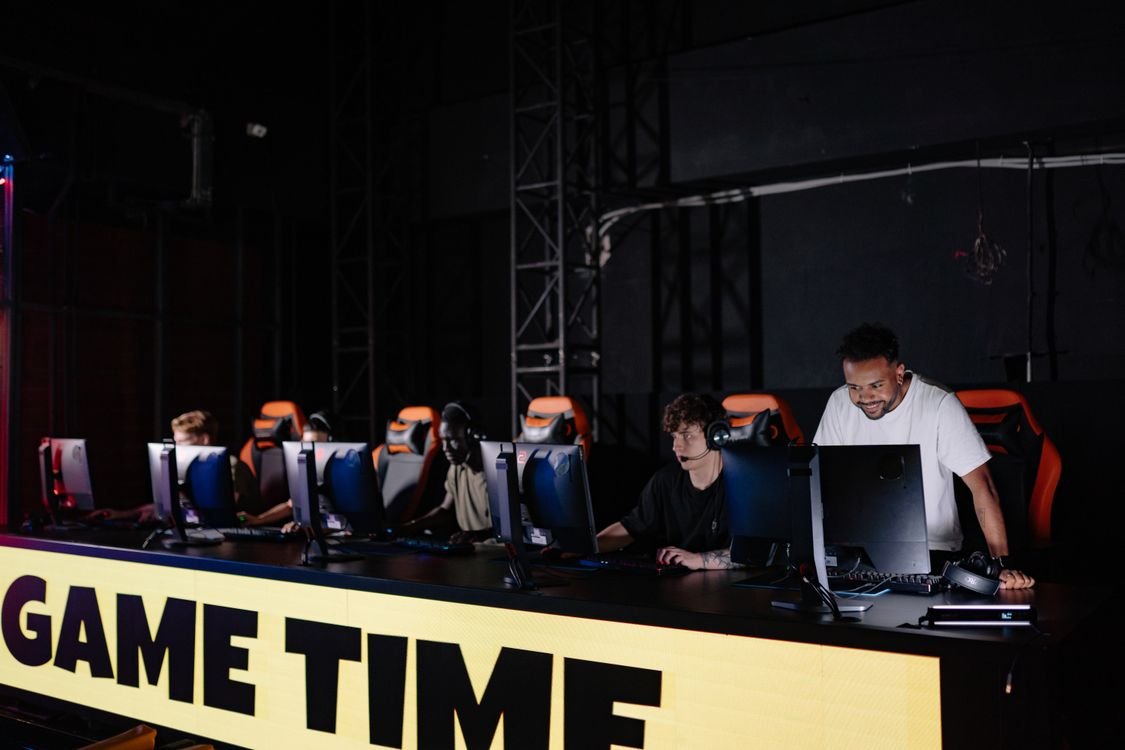
An esports analyst — often called a VOD review analyst — is the person on a pro team’s staff who turns hours of match footage into the preparation that wins games. They watch opponents’ VODs, break down map tendencies and round patterns, build the scouting report for the next match, and review their own team’s games to find the mistakes worth fixing.
The job is almost invisible to fans. Analysts do not appear on stage and their names rarely show up on broadcasts. But inside a pro org, the analyst’s prep pack is one of the most-read documents on the team. A good one can be the difference between a team that walks into a match guessing and a team that knows exactly which rounds the opponent likes to force.
What Does an Esports Analyst Do Day to Day?
So what does an esports analyst do on a normal working day? They watch more of the game than anyone else on the staff, and they write down what matters.
After a match, the analyst’s first job is the team’s own review. They pull the official VOD and the in-game demo files, mark every round where the plan broke down, and tag the clips by category — bad rotations, failed executes, lost pistol rounds, mistimed utility. A team that lost 13-9 made dozens of small errors; the analyst’s job is to find the three or four that actually cost rounds, and to show each one with a clip and a timestamp, not an opinion.
Between matches, the focus flips to the opponent. The analyst watches the next opponent’s recent games — usually the last five to ten maps — and builds a profile: which maps they pick and ban, how they open rounds, and which player takes over when a map gets close. They log tendencies in numbers where they can: a team that rushes B on 70 percent of their pistol rounds is a fact a coach can plan around; a feeling that they “like B” is not.
How Does a VOD Review Analyst Prepare a Team for a Match?
The analyst’s main deliverable is the prep pack: a short document, usually one to three pages, that the coach and players read the day before a match. A good prep pack is ruthlessly short. Players will not read ten pages of notes, so the analyst’s real skill is deciding what to leave out.
A typical prep pack covers five things. First, the opponent’s map pool — what they pick, what they ban, and which maps they are uncomfortable on. Second, their default patterns — how they open rounds, and what changes when they are behind. Third, their star player — who takes the duels that matter, and how the team can deny them space. Fourth, their weaknesses — the rounds they lose repeatedly and the site they defend badly. Fifth, the plan against them: two or three concrete adjustments, like forcing them onto their worst map.
The prep pack is built from evidence, not vibes. Every claim in it should point at a clip or a number. When the analyst says the opponent always saves on round four, they should be able to show the five rounds where it happened. That discipline is what separates a real analyst from a fan with opinions.
What Tools Do Esports Analysts Use?
The analyst’s toolkit is a mix of game-native files and third-party software. In CS2, the raw material is demo files — full recordings of a match that can be replayed from any player’s perspective. In Valorant, where official demos are limited, analysts work from broadcast VODs, recorded scrims, and community replay tools. In League of Legends, match history and replay files give a full top-down view of every team fight.
On top of that, analysts use stat trackers and databases to pull the numbers: round win rates by map, first-blood rates, and player tendencies across dozens of matches. Spreadsheet work is a bigger part of the job than most people expect — an analyst who cannot organize data into a readable table cannot build a prep pack a coach will use.
What Skills Do You Need to Become an Esports Analyst?
Game knowledge is the entry ticket. An analyst needs a deep understanding of one game — its maps, its economy, its meta — at a level where they can spot a mistake a Diamond or Immortal player would miss. A high rank helps, but it is not the requirement: many working analysts peaked below pro level and got hired because they could see the game clearly, not because they could play it at the top.
The skills that actually get analysts hired are different. First, pattern recognition: watching ten rounds and noticing the one habit the opponent repeats under pressure. Second, communication: turning a complex observation into a sentence a player can act on in the next round. Third, discipline: watching the same dull default rounds four times because the fifth viewing is where the tendency shows up. Fourth, honesty: reporting what the footage actually shows, even when it contradicts what the coach believes.
If you want the broader staff career path, our guide on how to become an esports coach covers the analyst-to-coach ladder — many head coaches started as the analyst on a smaller team.
The Mini-Test: Build a One-Page Prep Pack This Week
Here is the fastest way to find out whether you have the analyst instinct. Pick a pro match you can rewatch — a recent VCT game, a CS2 Major match, any full VOD. Watch one team’s attack side on a single map and write down three things: their most common round opening, the player who takes the first duel most often, and the round type they lose most (pistol, eco, or full-buy). Then condense all of it into a single page, each finding with one timestamp as evidence.
That one page is a miniature prep pack — the exact deliverable a real analyst produces. If you enjoyed hunting for the pattern, you have the instinct. If it felt like homework, the analyst chair probably is not your seat. Send the page to an amateur team if you can; a useful scouting report given for free is how most analysts get their first team.
How Much Do Esports Analysts Earn?
Pay follows the same ladder as the rest of esports staff. Amateur and collegiate analysts usually work for free or a small stipend, building the portfolio that gets them hired. Academy and tier-two analysts earn a modest part-time wage, while analysts on franchised-league staffs earn a full-time professional salary. The honest timeline is one or two seasons of unpaid work before a reliable analyst income appears. For the money side of the scene, see how esports prize money actually works and how esports contracts work for pro players.
Frequently Asked Questions
What does an esports analyst do?
An esports analyst studies match footage — their own team’s and their opponents’ — to find patterns, build scouting reports, and prepare the team for upcoming matches. They turn hours of VODs into a short prep pack of tendencies, weaknesses, and concrete adjustments.
Do you need to be a pro player to become an esports analyst?
No. Many working analysts never played professionally. Orgs hire analysts for pattern recognition, clear communication, and evidence-based scouting — skills proven through a portfolio of prep packs and VOD breakdowns, not a playing career.
What is the difference between an analyst and a coach in esports?
The analyst finds out what is happening; the coach decides what to do about it. The analyst watches VODs, tracks tendencies, and builds the scouting report. The coach owns the practice plan, the strategy pool, and in-game decisions like timeouts. On smaller teams, one person often does both jobs.
How do I become an esports analyst with no experience?
Start by doing the job for free for an amateur team: watch their opponents, write a one-page prep pack before each match, and review their own VODs after it. Publish your breakdowns publicly so orgs can see your work. Two or three months of consistent, evidence-based analysis is the portfolio that gets you hired.