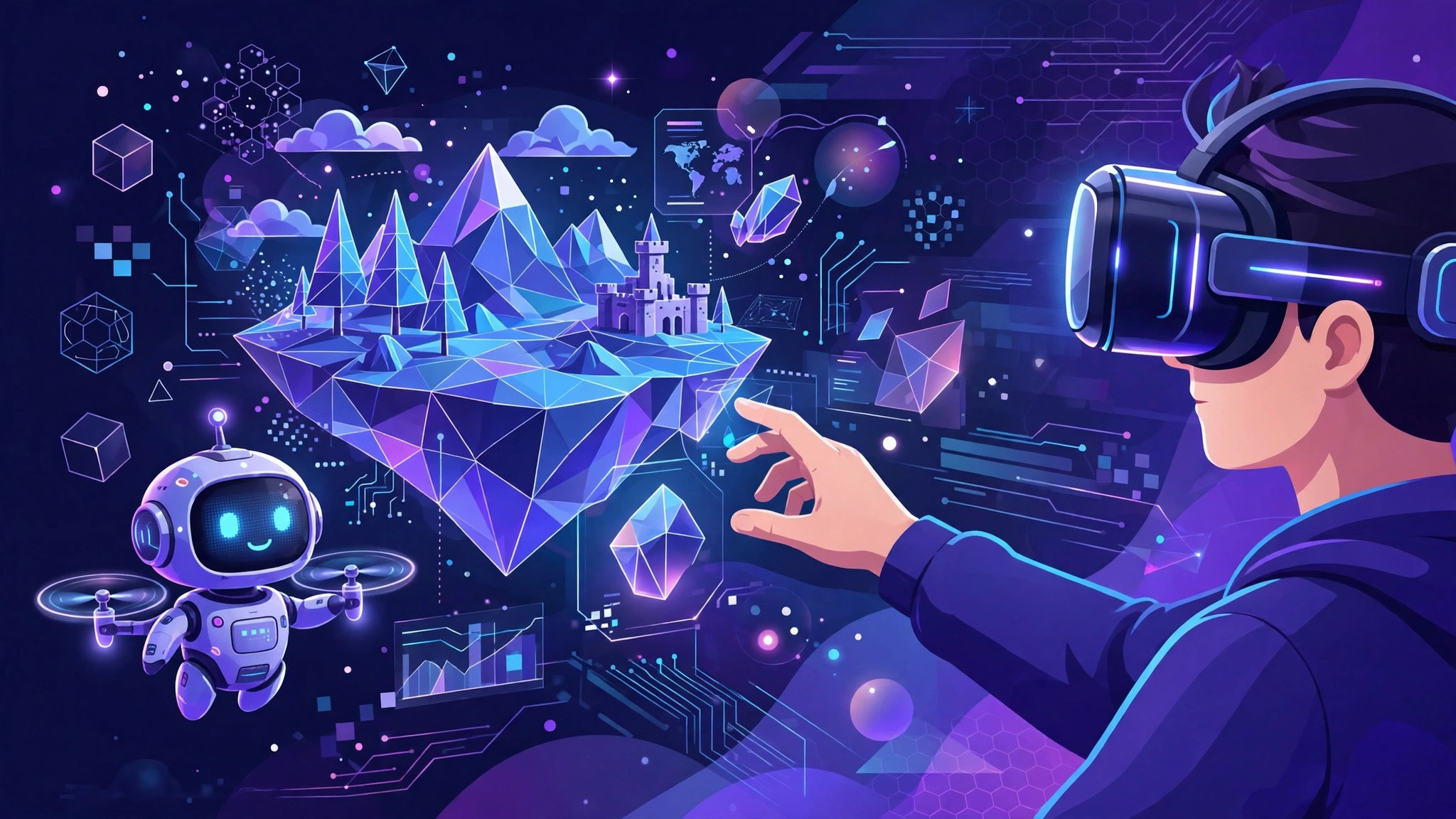
Artificial Intelligence (AI) is transforming nearly every industry, and gaming is no exception. In 2026, AI has become one of the most influential technologies shaping the future of video games. From smarter non-playable characters (NPCs) to AI-generated worlds and personalized gaming experiences, developers are using advanced AI systems to create more immersive and engaging games than ever before.
The gaming industry has always embraced innovation, but the latest AI breakthroughs are taking gameplay to a completely new level. Players can now interact with dynamic characters, explore evolving environments, and experience stories that adapt based on their choices.
In this article, we’ll explore the top AI-powered gaming innovations in 2026 and how they are changing the way people play games.
1. Smarter and More Realistic NPCs
One of the most noticeable AI advancements in gaming is the development of highly intelligent NPCs.
Traditional NPCs followed pre-programmed scripts and repetitive behavior patterns. In 2026, AI-powered NPCs can understand player actions, adapt to different situations, and even hold realistic conversations.
Benefits:
- More immersive gameplay
- Dynamic interactions
- Unpredictable enemy behavior
- Improved role-playing experiences
Instead of repeating the same dialogue, AI-driven characters remember previous interactions and respond naturally. This creates a more realistic gaming world where every decision matters.
2. AI-Generated Game Worlds
Creating massive game worlds traditionally requires huge development teams and years of work. AI is changing this process dramatically.
Modern AI systems can generate:
- Landscapes
- Cities
- Dungeons
- Quests
- Characters
- Environmental details
Games now feature procedurally generated environments that feel handcrafted and unique. Players can explore virtually endless worlds without encountering repetitive content.
Why It Matters
AI-generated worlds reduce development costs while providing players with fresh experiences every time they play.
This innovation is especially popular in:
- Open-world RPGs
- Survival games
- Sandbox games
- Exploration adventures
3. Adaptive Storytelling Systems
Storytelling has become one of gaming’s strongest features, and AI is making narratives more dynamic than ever.
Adaptive storytelling systems analyze player choices and adjust the storyline in real time.
Key Features
- Multiple endings
- Dynamic quests
- Character relationship tracking
- Personalized dialogue
Instead of following a fixed narrative path, players influence the story through their actions. Every playthrough can feel different, increasing replay value significantly.
This technology is particularly useful for RPGs and narrative-driven games where player decisions shape the world.
4. Personalized Gaming Experiences
AI is helping developers create customized gaming experiences for individual players.
By analyzing gameplay data, AI can understand:
- Player skill levels
- Preferred game modes
- Playing habits
- Favorite characters
- Difficulty preferences
The system then adjusts gameplay accordingly.
Examples
- Dynamic difficulty adjustments
- Personalized mission recommendations
- Custom rewards
- Tailored tutorials
This ensures that both beginners and experienced gamers enjoy a balanced and engaging experience.
5. AI Voice Generation and Real-Time Conversations
Voice technology has advanced rapidly in recent years.
In 2026, AI-generated voices are nearly indistinguishable from human voices. Many games now use AI-powered voice systems that allow NPCs to respond naturally to player speech.
Advantages
- More realistic dialogue
- Reduced voice acting costs
- Expanded character interactions
- Enhanced immersion
Players can ask questions, negotiate with characters, or engage in meaningful conversations without relying on pre-recorded voice lines.
This innovation is helping create truly interactive game worlds.
6. AI-Powered Game Testing
Game development often involves extensive testing to identify bugs, balance issues, and performance problems.
AI-powered testing tools can now:
- Simulate thousands of players
- Detect glitches
- Identify exploits
- Analyze game balance
- Improve performance optimization
Benefits for Developers
- Faster development cycles
- Reduced costs
- Better game quality
- Fewer launch-day issues
As a result, games are launching with fewer bugs and more polished experiences.
7. Intelligent Enemy AI
Enemy behavior has improved dramatically thanks to machine learning algorithms.
Instead of following predictable patterns, modern AI enemies:
- Learn from player strategies
- Coordinate attacks
- Adapt combat tactics
- Use environmental advantages
Improved Gameplay
Players can no longer rely on simple tricks or repetitive tactics to defeat opponents. Each encounter becomes more challenging and rewarding.
This is especially important in:
- First-person shooters
- Strategy games
- Action RPGs
- Survival games
The result is a more realistic and engaging combat experience.
8. AI-Assisted Game Development
Developers are increasingly using AI tools during the game creation process.
AI can assist with:
- Level design
- Asset creation
- Character animation
- Dialogue writing
- Sound generation
Impact on the Industry
Smaller studios can now create high-quality games with limited resources. AI tools help automate repetitive tasks, allowing developers to focus on creativity and innovation.
This is leading to a surge in indie game development and more diverse gaming experiences.
9. Realistic Character Animation
Character animations have become more natural and lifelike thanks to AI motion systems.
Modern AI models can generate:
- Facial expressions
- Body movements
- Emotional reactions
- Real-time animations
Benefits
- Improved realism
- Better storytelling
- More believable characters
Whether it’s a smile, a frown, or a combat movement, AI ensures that character animations feel fluid and authentic.
This greatly enhances player immersion.
10. AI-Powered Esports and Competitive Gaming
Esports continues to grow globally, and AI is playing a major role in its evolution.
AI systems are being used to:
- Analyze player performance
- Improve coaching strategies
- Detect cheating
- Generate match statistics
- Enhance spectator experiences
Future of Competitive Gaming
Professional players and teams can use AI insights to improve performance and develop better strategies.
Meanwhile, viewers benefit from detailed analytics, predictive match outcomes, and enhanced live broadcasts.
Challenges of AI in Gaming
While AI innovations offer many benefits, they also introduce challenges.
Key Concerns
Data Privacy
AI systems often collect player data to personalize experiences, raising privacy concerns.
Development Costs
Advanced AI technologies can be expensive to implement and maintain.
Ethical Considerations
Developers must ensure that AI-generated content remains fair, unbiased, and safe for players.
Job Displacement
Some fear that automation could reduce opportunities for artists, writers, and other creative professionals.
Balancing innovation with responsibility remains an important goal for the gaming industry.
The Future of AI Gaming
The future of gaming looks incredibly exciting.
Experts predict that upcoming AI advancements will enable:
- Fully interactive virtual worlds
- Real-time story generation
- Emotion-aware gameplay
- Hyper-realistic characters
- Advanced virtual companions
As AI technology continues to evolve, gaming experiences will become more immersive, personalized, and realistic than ever before.
Players can expect worlds that adapt to their actions, characters that genuinely understand them, and adventures that feel uniquely their own.
Final Thoughts
AI-powered gaming innovations in 2026 are redefining what is possible in the gaming industry. Smarter NPCs, adaptive storytelling, AI-generated worlds, intelligent enemies, and personalized experiences are creating richer and more engaging gameplay.
For gamers, this means more immersive adventures and endless possibilities. For developers, AI offers powerful tools that streamline production and unlock new creative opportunities.
As technology continues to advance, AI will remain at the center of gaming’s evolution, shaping the next generation of interactive entertainment.